THE CONTEMPORARY OFFICE CHECKLIST HOW TO CREATE FUNCTIONAL INSPIRING WORKSPACES
How to create functional, inspiring workspaces that Improve productivity and well-being
If you want a workspace that improves productivity and well-being today, the most reliable approach is to design for change: create zones for different work modes, reduce interruption (especially noise), and choose solutions that can be reconfigured as your headcount, teams, and workflows shift—without a full retrofit every time.
Why do modern offices need to change more often than they used to?
Work patterns are less predictable: hybrid schedules, rotating teams, changing project needs, and faster growth cycles. That means static layouts age quickly.
AIR’s mission focuses on making office decisions feel simpler and less stressful for busy leaders—by guiding choices that protect well-being and business performance together.
The Contemporary Office Checklist (use this to plan before you buy anything)
1) Have you defined what “work modes” your office must support?
Start with reality, not trends. List your core activities:
• Heads-down focus work
• Collaboration (2–6 people)
• Team meetings (8–14 people)
• Private calls / HR conversations
• Client/vendor conversations
• Breaks and decompression
Quick rule: If your space only supports one mode well (usually collaboration), you’ll pay for it in interruptions and lost focus later.
2) Have you mapped interruptions (culture + sound) as a productivity risk?
Interruption isn’t just annoying—it’s a performance variable. In most offices, the culprits are:
• Uncontrolled noise spill (open seating + hard surfaces)
• Visual distraction (constant motion in peripheral vision)
• Culture friction (no norms for “focus time” vs “collaboration time”)
What to do this week:
• Identify the top 3 “noise hot zones” (near printers, break rooms, main corridors)
• Identify the top 3 “focus-critical roles” (finance, engineering, ops planning, HR)
• Commit to a plan for both behavior (norms) and environment (acoustic control)
If your office feels busy but not productive, interruptions are likely the issue. The fix is rarely “more meeting rooms.” It’s a combination of acoustic control, visual boundaries, and clear norms so people know where focus work belongs and where collaboration belongs—without conflict.
3) Have you balanced collaboration and privacy—by design?
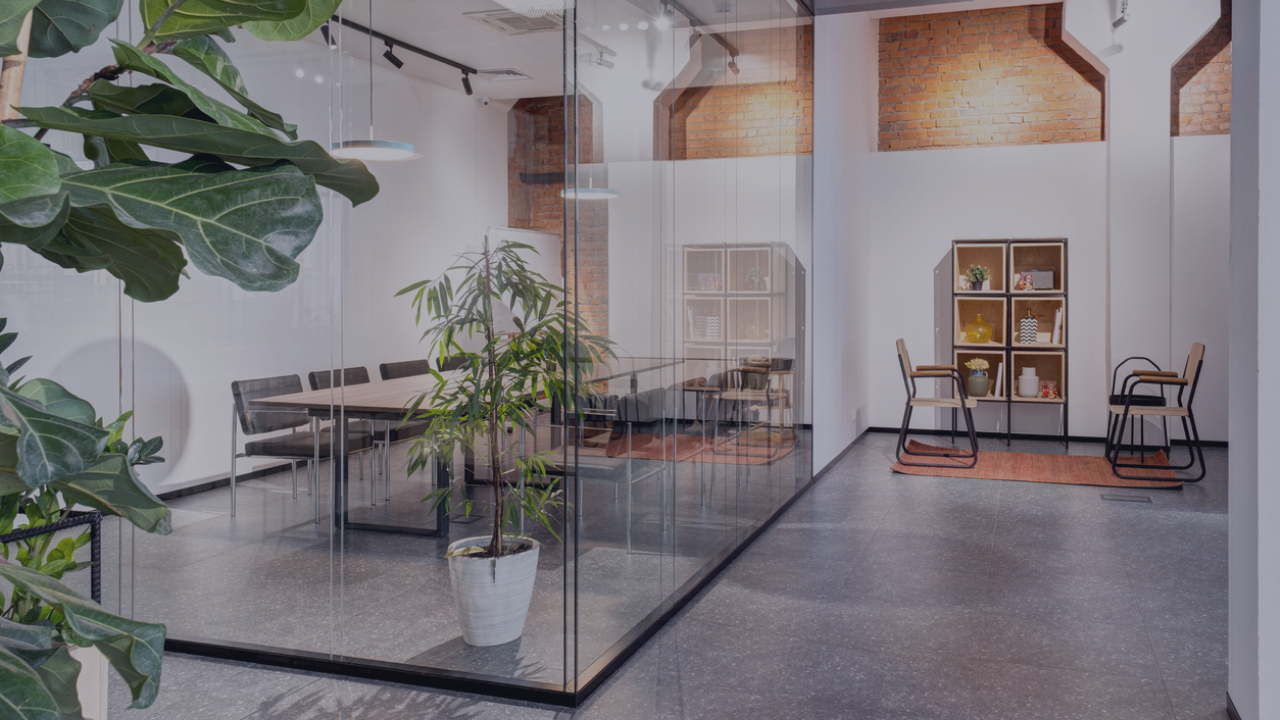
Modern offices need both. The practical solution is zoning.
A simple zoning model:
• Collaboration zone: active, conversational, easy-to-reconfigure spaces
• Quiet zone: lower traffic, sound-managed, focus-first
• Private zone: phone rooms, small enclaves, sensitive conversations
• Support zone: storage, print, mail, IT, supplies—kept out of focus areas
4) Are you planning for change—so you can avoid expensive retrofits?
Expensive retrofits usually happen when a space can’t flex. To reduce that risk, design with modularity and reconfiguration in mind.
A useful example: func, (AIR partner) describes mobile walls, screens, and accessories that help teams create collaboration and privacy “without the need for expensive retro-fits.”
Checklist for “retrofit resistance”:
• Can you create privacy without building permanent walls?
• Can teams reconfigure space in hours, not weeks?
• Can you scale up/down without new construction?
5) Have you selected tools that create boundaries without killing light and openness?
This is where many offices overcorrect: either everything is open (too loud), or everything is enclosed (too rigid).
func. positions their screens and mobile walls as mix-and-match tools that support collaboration, privacy, and activity—while also offering acoustic screen options.
Practical options to consider:
• Acoustic screens for desks and benches
• Freestanding partitions for quick micro-zones
• Mobile walls for temporary “project rooms”
• Accessories that support active work (rails, add-ons, storage integration)
Comparison: What should you choose when budgets and timelines matter?
Retrofit-heavy changes vs. modular changes:
- Retrofit-heavy: permanent construction, longer downtime, higher disruption, harder to adjust later
- Modular: faster change cycles, less disruption, easier scaling, supports experimentation
- Open plan vs. zoned plan
- Open plan (un-zoned): easy collaboration, but higher interruption cost
- Zoned plan: clearer expectations, better focus, fewer culture conflicts, easier onboarding
6) Have you defined what “inspiring” means in measurable terms?
“Inspiring” isn’t a style choice. It’s the outcome of a space that supports:
• Confidence (people know where to go for what)
• Connection (teams have places to collaborate naturally)
• Control (privacy exists when needed)
• Pride (space reflects brand quality and standards)
This aligns with AIR’s core offer: a trusted partner in designing and furnishing workspaces where quality, well-being, and business performance go hand in hand.
People can focus without fighting noise, collaborate without disrupting others, and see their company’s standards reflected in the environment. Inspiration is the byproduct of clarity, comfort, and capability, not just aesthetics.
A simple next step you can take this week
If you want to change behavior (not just furniture), do this:
1) Walk the space and label Focus / Collaborate / Private / Support zones (even if they’re imperfect today)
2) Identify the top two interruption problems (noise + traffic)
3) Choose one modular change that reduces friction quickly (screens, boundaries, mobile zones)
4) Set one team norm (e.g., quiet zone etiquette, where calls happen)
5) Reassess after 14 days and adjust
AIR’s role is to simplify the complexity and guide decisions with a calm, practical process—so leaders feel confident and in control, not stuck micromanaging office layout decisions.
Key Takeaways
• The contemporary office must be designed for culture and are a measurable productivity and well-being risk.
• The best offices balance collaboration and privacy through clear zoning.
• To reduce expensive retrofits, prioritize modular, reconfigurable solutions (e.g., mobile walls and acoustic screens).
• “Inspiring” workspaces are those that make performance easier—and reflect the quality of the business.
Jacqui Sabo is founder of AIR and can be reached at jacqui@airinaz.com