People + Performance: Workplace Well-Being as a Business Strategy - Arizona Interior Resource
Why Workplace Well-Being Is a Business Strategy
Workplace well-being is the intentional design of an office environment: furniture, layout, lighting, and space types, to support focus, physical comfort, and connection so teams can perform consistently. When a workspace reduces friction (pain, distraction, glare, and noise), productivity improves because people can sustain energy and attention throughout the day.
Your office isn’t “just the office.” It’s a performance tool. If the space makes work harder than it needs to be, your team spends time compensating often silently. If the space supports how work actually happens, performance becomes the default. This balanced approach is core to Arizona Interior Resource (AIR): creating commercial environments where people feel healthy, connected, and empowered so companies thrive.
How does office design improve business performance?
Office design improves performance by shaping the daily conditions people work under comfort, focus, communication, and recovery. When those conditions are supportive, teams execute faster, make fewer errors, and collaborate with less friction.
Office design improves performance when it reduces the common drains on output: poor ergonomics, distracting noise, glare-heavy lighting, and a lack of spaces for focused work or quick team alignment. A workplace that supports focus, collaboration, and recovery helps employees work with more consistency and less burnout.
The simple model: Focus, Collaboration, Recovery
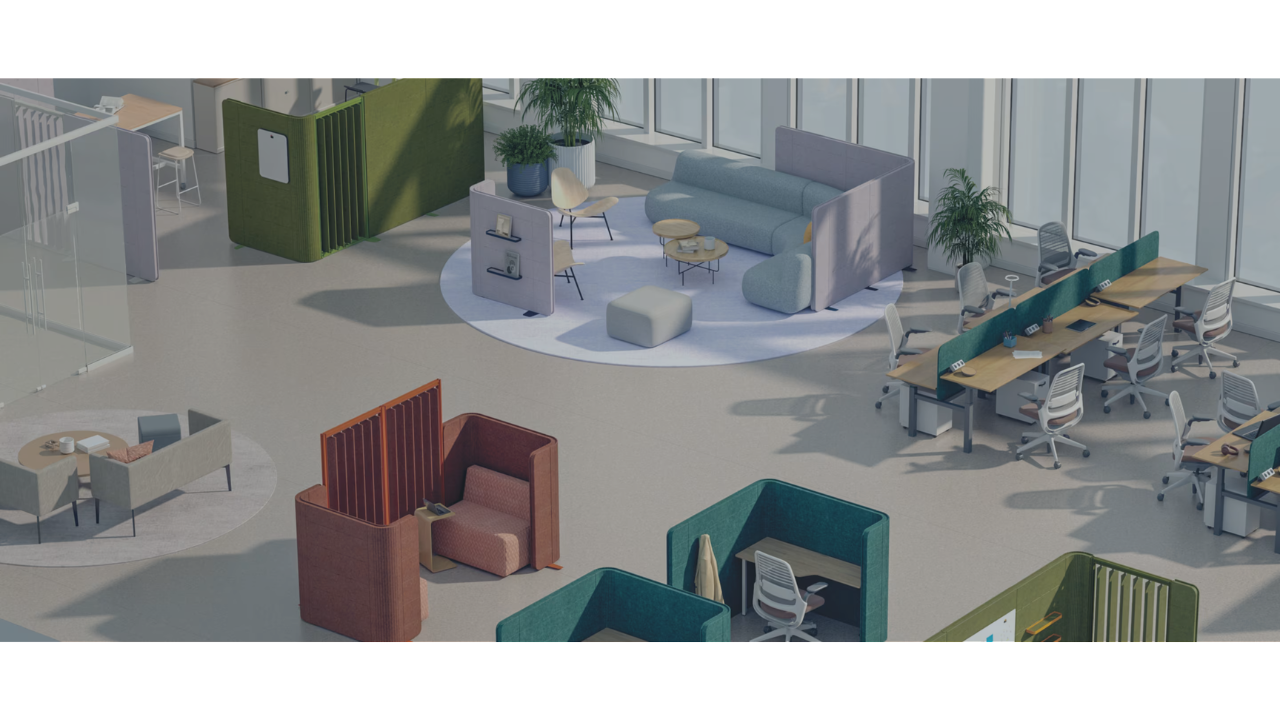
A practical way to evaluate “People + Performance” is to look for three workspace modes.
1) Focus (deep work without friction)
Focus improves when employees can sit comfortably, see clearly, and avoid constant interruption.
Check for:
- Ergonomic seating where people sit the longest
- Screen glare and eye strain in peak daylight
- Noise spillover and high-traffic paths through focus areas
2) Collaboration (quick alignment, fewer meetings)
Collaboration works best when it has a dedicated home, so huddles don’t take over desks and quiet zones.
Check for:
- 2–4-person huddle spots near the teams that use them
- Power, writable surfaces, and easy “walk up and talk” setup
- Seating that fits short meetings (not lounge-only)
3) Recovery (short resets that protect output)
Recovery isn’t a perk. It’s capacity management. Small breaks reduce attention fatigue and help people return to work sharper.
Check for:
- A place to step away without leaving the building
- Seating that feels different from task seating
- Lighting that resets (not harsh, not dim)
Quick wins to check today (5-minute gut check)
Walk your office and answer these:
- Are the most-used seats actually ergonomic? (For real users, not the spec sheet.)
- Do teams have spaces for quiet focus and quick huddles?
- Is lighting helping—or draining people by 2pm?
A simple “workplace performance” walkthrough framework
If you want a repeatable way to spot issues, use this:
- Observe where people gather, avoid, or improvise
- Measure what’s used most vs. what sits empty
- Map focus, collaboration, and recovery zones
- Remove friction first: seating, lighting, noise, traffic flow
- Align to goals: efficiency, culture, recruitment, retention
Key Takeaways
- Your office is a performance tool, not just square footage.
- Well-being becomes a strategy when it removes friction that drains output.
- Design for Focus / Collaboration / Recovery.
- Start with what’s used most: seating, space variety, and lighting.
Want a fast “workplace performance” gut check? Contact jacqui@airinaz.com or sam@airinaz.com for a complimentary consult!