Workplace Stress Drives an Alarming Trend
What Business Owners Can Do (Without Losing Productivity)
If workplace stress and burnout are climbing, the highest-impact fix is operational: reduce chronic stressors in how work is planned and led, strengthen support pathways without stigma, and remove environmental friction in the workspace (noise, interruptions, poor ergonomics, no true break/reset areas). Recent workplace reporting, including Marq Burnett’s “Workplace stress drives alarming trend” theme highlights how stress is increasingly tied to concerning coping behaviors and on-the-job risk. For owners and ops/facilities leaders, this shows up fast as errors, absenteeism, turnover, and safety exposure. At Arizona Interior Resource (AIR), we help organizations create commercial environments where quality, well-being, and business performance go hand in hand because we believe in protecting the quality of life for people when they work together in the office.
What counts as workplace stress
Workplace stress occurs when job demands consistently exceed the resources, control, or support people have to do the work well. When it becomes chronic, it increases fatigue, reduces focus, and raises the likelihood of mistakes and conflict.
Why owners should treat stress like a KPI
Workplace stress is a performance variable. It increases rework, slows decision-making, raises absence and turnover, and can elevate safety risk. If you can measure quality escapes, near-misses, and overtime, you can measure stress signals too and reduce them with clearer work systems and a less friction-filled environment.
The 3-lever system: Stress → Stability → Performance
1) Fix the work (root causes)
- Tighten weekly priorities (what matters most and what can wait)
- Control chronic overtime and recurring understaffing pinch points
- Clarify roles, handoffs, and decision rights (less chaos, fewer fire drills)
- Equip supervisors with a simple response playbook (not guesswork)
2) Build support without stigma
- Make support resources visible and easy to use
- Train leaders on how to respond early and consistently
- Establish clear escalation paths (manager → HR/EAP → safety when needed)
3) Reduce workspace friction (the often-missed lever)
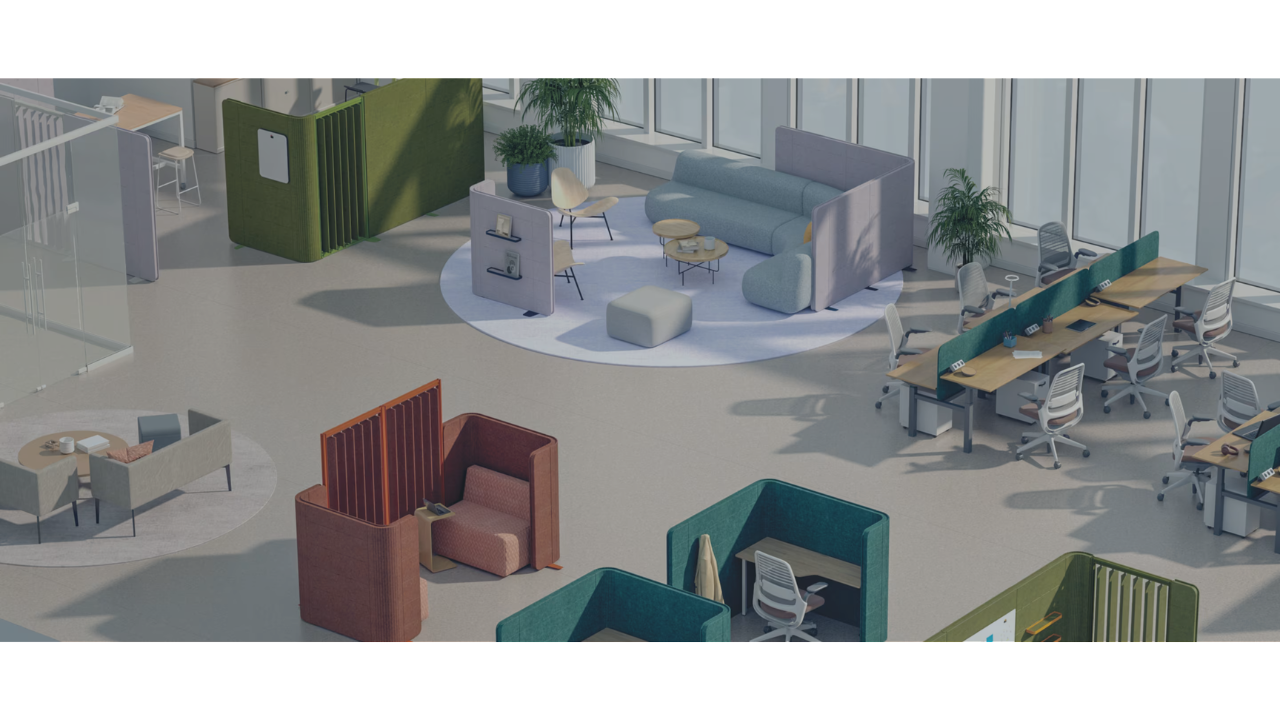
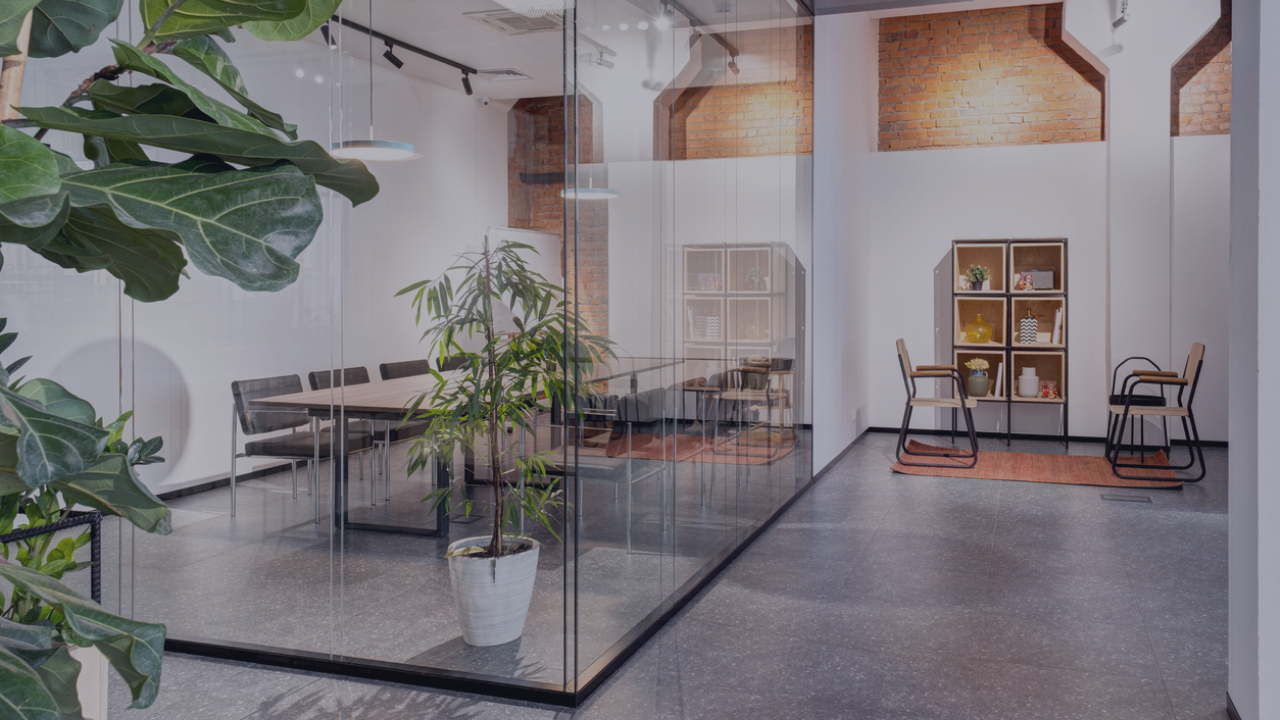
- Create clear zones: focus, collaboration, quick huddles, private conversations
- Address noise and interruptions (acoustics + layout + norms)
- Upgrade ergonomics to reduce discomfort-driven fatigue
- Design break/reset spaces that actually help people recover
How the workspace reduces stress
Workplace design reduces stress when it removes daily friction: noise fatigue, constant interruptions, lack of privacy, poor ergonomics, and confusing layouts. The goal isn’t “prettier.” It’s a space that helps teams focus, communicate, and recover throughout the day, so performance stays steady under pressure.
Key Takeaways
- Stress is an operational risk: it shows up as errors, turnover, and safety exposure.
- The best results come from systems changes: workload, clarity, support, and environment.
- Your office and facility layout can either amplify stress or reduce it.
Call to Action
If you want a practical, low-drama way to reduce workplace friction, AIR can provide an assessment of your space through a well-being + performance lens and recommend targeted improvements from concept to installation. Contact Jacqui Sabo - jacqui@airinaz.com or Sam Seale - sam@airinaz.com for a complementary assessment.